How Landscaping Choices Can Affect Your Septic System
Understand the Relationship
Between Landscaping and Septic Systems
A beautiful landscape can enhance your property's appearance, increase curb appeal, and create a more enjoyable outdoor space. However, many homeowners don't realize that certain landscaping decisions can have a significant impact on the health and performance of their septic system. Plant selection, drainage design, hardscaping features, and even lawn maintenance practices can either protect or damage your septic system over time.
Why Your Septic System Needs Protection
Your septic system relies on a drain field to safely disperse wastewater into the soil. The drain field is carefully designed to allow water to filter naturally through the ground. When landscaping interferes with this process, it can reduce efficiency, create backups, and shorten the lifespan of the entire system.
Proper landscaping should support the function of your septic system, not compete with it.
Avoid Planting Trees Too Close
One of the most common septic system problems involves tree roots. Trees and large shrubs naturally seek out moisture, making septic lines and drain fields attractive targets.
Some species are particularly aggressive, including:
- Willow trees
- Maple trees
- Poplar trees
- Oak trees
- Birch trees
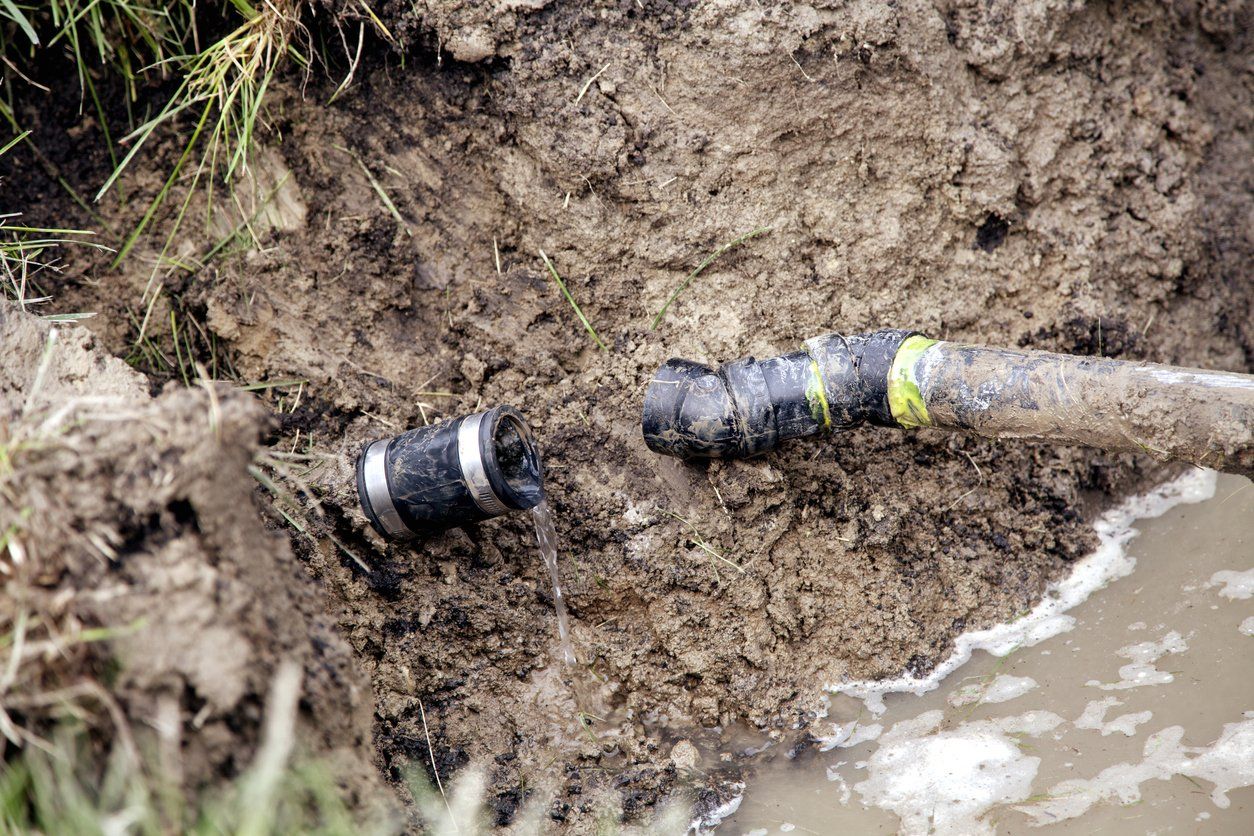
As roots grow, they can infiltrate pipes, block wastewater flow, and damage septic components. Repairs often require excavation and can be expensive.
If you want trees in your yard, plant them well away from septic tanks and drain fields. Consult with a landscaping professional to determine safe distances based on the tree species and your property layout.
Choose Septic-Friendly Plants
The best plants for areas near septic systems have shallow root systems that won't interfere with underground components.
Good choices include:
- Native grasses
- Perennial flowers
- Ground covers
- Wildflowers
- Ornamental grasses
These plants help prevent soil erosion while allowing proper moisture evaporation from the drain field.
Be Careful with Irrigation Systems
Overwatering can overwhelm a drain field and prevent wastewater from being properly absorbed into the soil.
When installing irrigation systems:
- Avoid placing sprinkler heads directly over the drain field.
- Prevent excess runoff from flowing toward septic components.
- Adjust watering schedules during rainy periods.
- Monitor for standing water around the drain field.
A saturated drain field can lead to sewage backups, unpleasant odors, and system failure.
Watch Your Hardscaping Projects
Patios, sheds, retaining walls, and driveways can create problems when installed over or near septic components.
Heavy structures may:
- Compact soil
- Restrict oxygen flow
- Damage underground pipes
- Prevent proper wastewater treatment
Vehicles should never drive or park on a septic drain field. The weight can crush pipes and reduce soil effectiveness.
Before beginning any hardscaping project, identify the location of your septic tank and drain field to avoid accidental damage.
Maintain Proper Drainage
Landscaping should direct water away from septic components whenever possible.
Common drainage solutions include:
- Swales
- French drains
- Grading adjustments
- Gutter extensions
Excess stormwater can saturate the soil around a septic system, reducing its ability to process wastewater efficiently.
A properly graded yard protects both your landscape investment and your septic system.
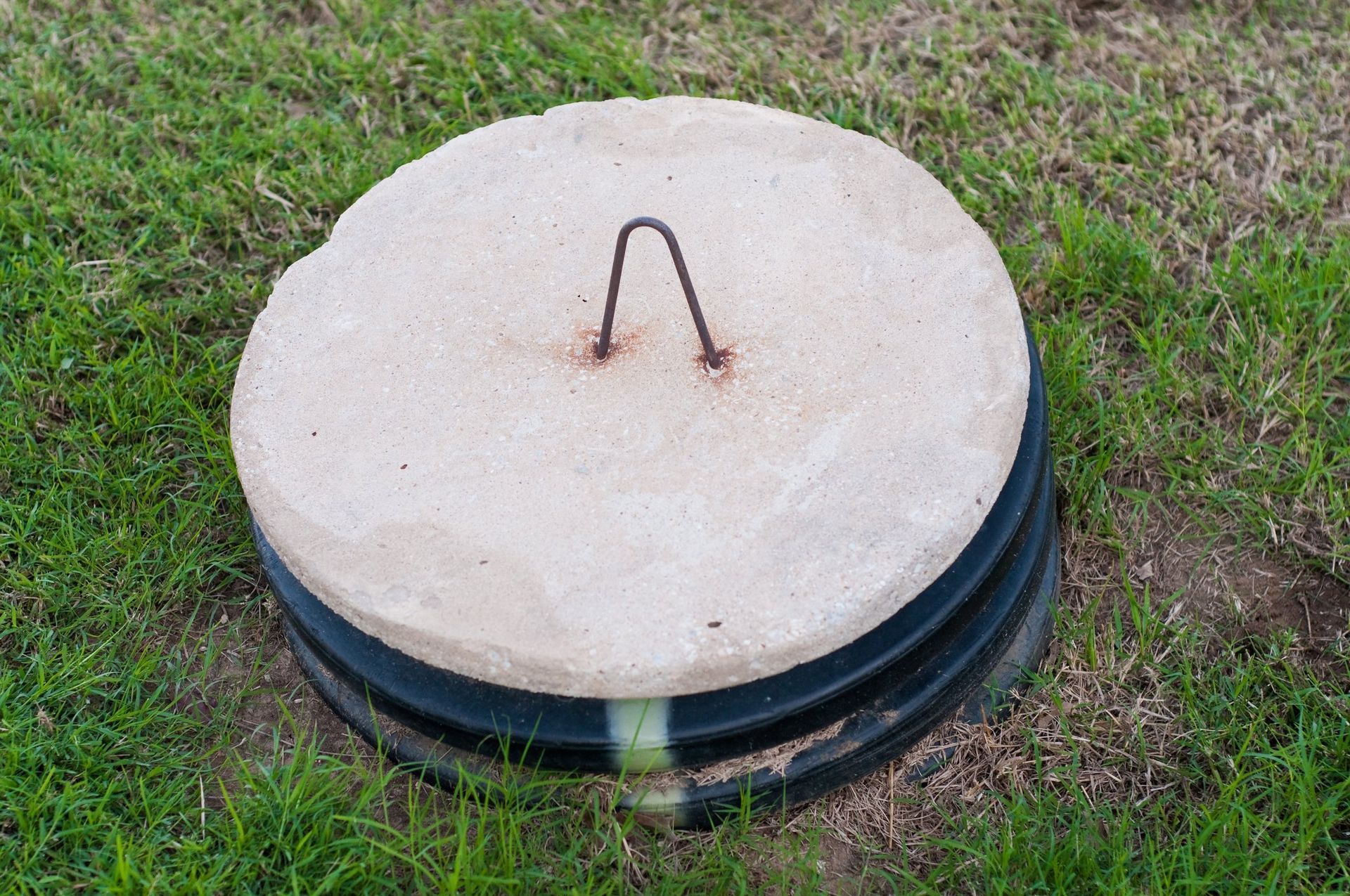
Keep the Area Accessible
Routine septic maintenance is essential for long-term performance. Homeowners should avoid installing permanent landscaping features that make access difficult.
Avoid placing:
- Decorative walls
- Large planters
- Water features
- Permanent outdoor structures
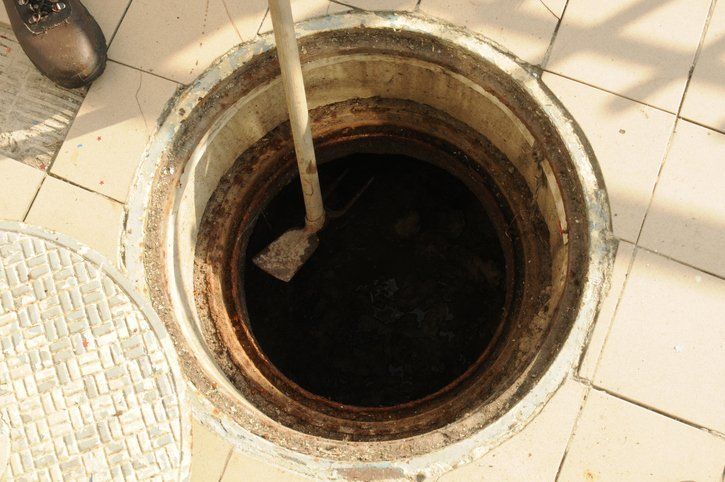
Easy access makes inspections, pumping, and repairs faster and less expensive.
Contact Us Today to Schedule a Cleaning or Pumping Service!
Before planting trees, installing irrigation systems, or starting major landscaping projects, it's important to understand where your septic tank and drain field are located. Deep-rooted trees, excessive water runoff, and heavy equipment can damage underground components and lead to backups, leaks, or system failure.
At Cornish Burton Sigala Septic Services, we know that regular septic pumping and cleaning are essential to preventing expensive problems down the road. A poorly maintained system can create unpleasant odors, messy backups, and costly damage to your property. Routine maintenance helps identify potential issues early and keeps your septic system operating as designed.
If you're planning a landscaping project or have concerns about your septic system, contact us and speak with our experienced septic professionals before work begins! Professional guidance can help you protect your property, avoid unnecessary repairs, and ensure your septic system continues serving your home reliably for years to come.