What Happens During a Professional Septic Inspection?
Septic systems work underground, so it can be difficult to know what is happening inside your tank or drain field. A professional septic inspection gives you a clearer understanding of your system’s condition and can help identify concerns before they lead to backups, odors, leaks, or costly repairs. At Cornish Burton Sigala Septic Services, we inspect septic systems throughout Fort Worth, Weatherford, Willow Park, Decatur, and surrounding Texas communities.
Why Schedule a Septic Inspection?
Routine inspections are an important part of septic system maintenance. Even if your drains are working normally, solids and scum can gradually build up inside the tank. We generally recommend having a septic system inspected at least once a year, while pumping is often needed every three to five years depending on your tank size, household usage, and system condition.
An inspection can be especially helpful when:
- You recently purchased a property with a septic system.
- You cannot remember when the tank was last serviced.
- Your drains are slow or toilets are difficult to flush.
- You notice foul odors, pooling water, or unusually green grass near the drain field.
- You are preparing to schedule a septic cleaning service or septic pumping service.
Preparing for the Inspection
Before arriving, we may ask for information about your septic system and its maintenance history. If you know where the tank and drain field are located, sharing that information can help us work efficiently. We may also need access to areas where septic components are buried.
Helpful preparation may include:
- Locating previous septic inspection or pumping records.
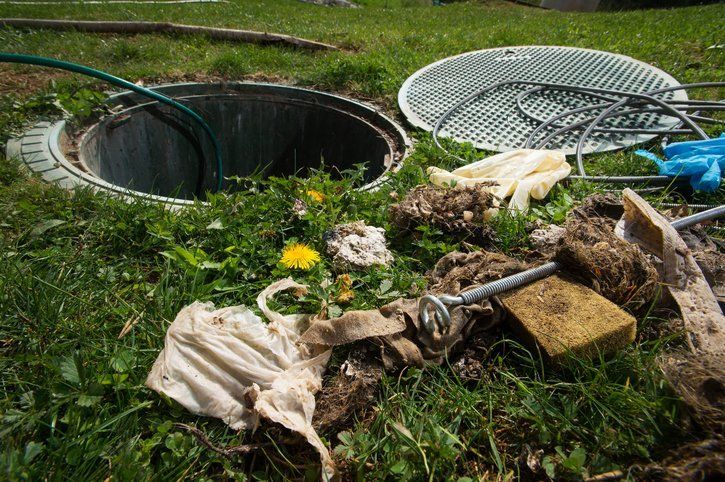
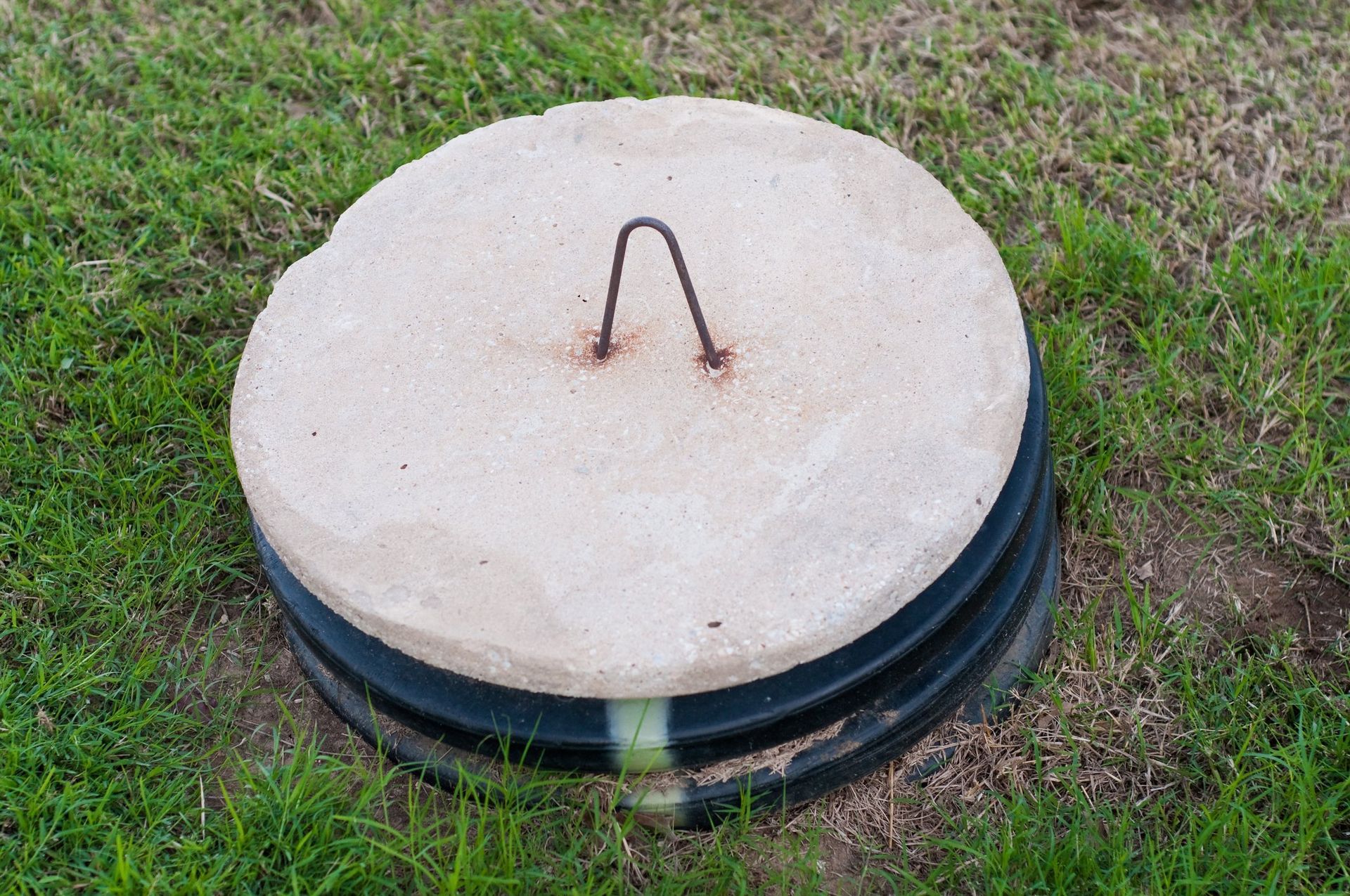
- Identifying the tank, cleanouts, drain field, and access lids.
- Keeping vehicles and heavy equipment away from the tank and drain field.
- Letting us know about slow drains, sewage odors, wet spots, or recent backups.
- Making sure someone can provide access to the property.
What We Check During a Professional Inspection
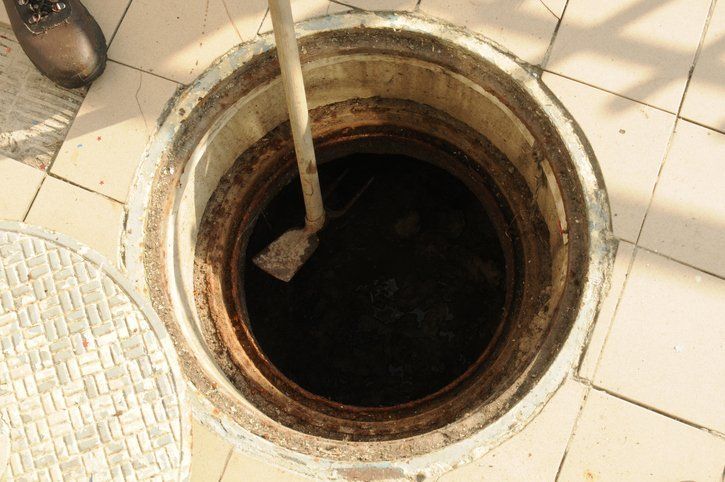
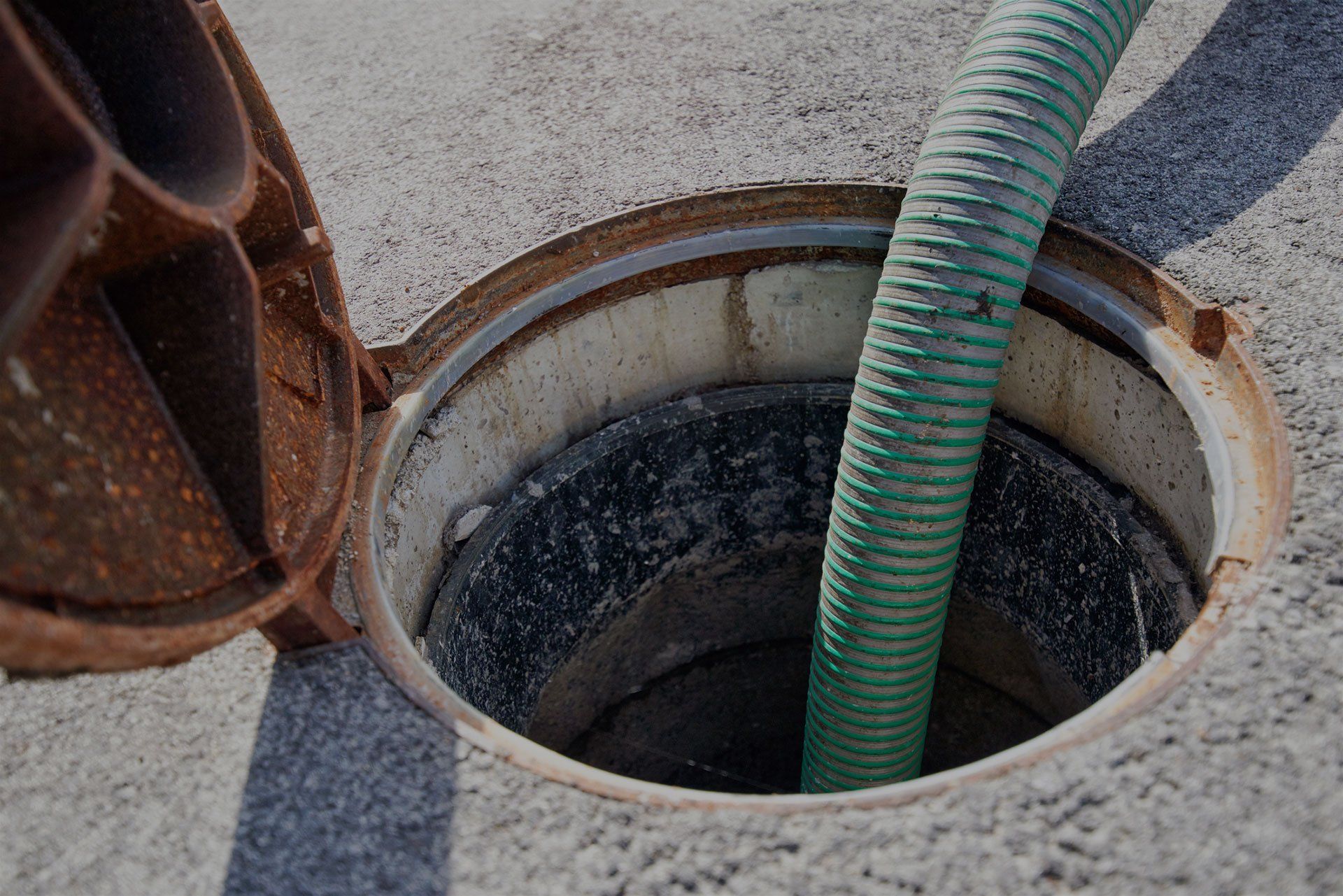
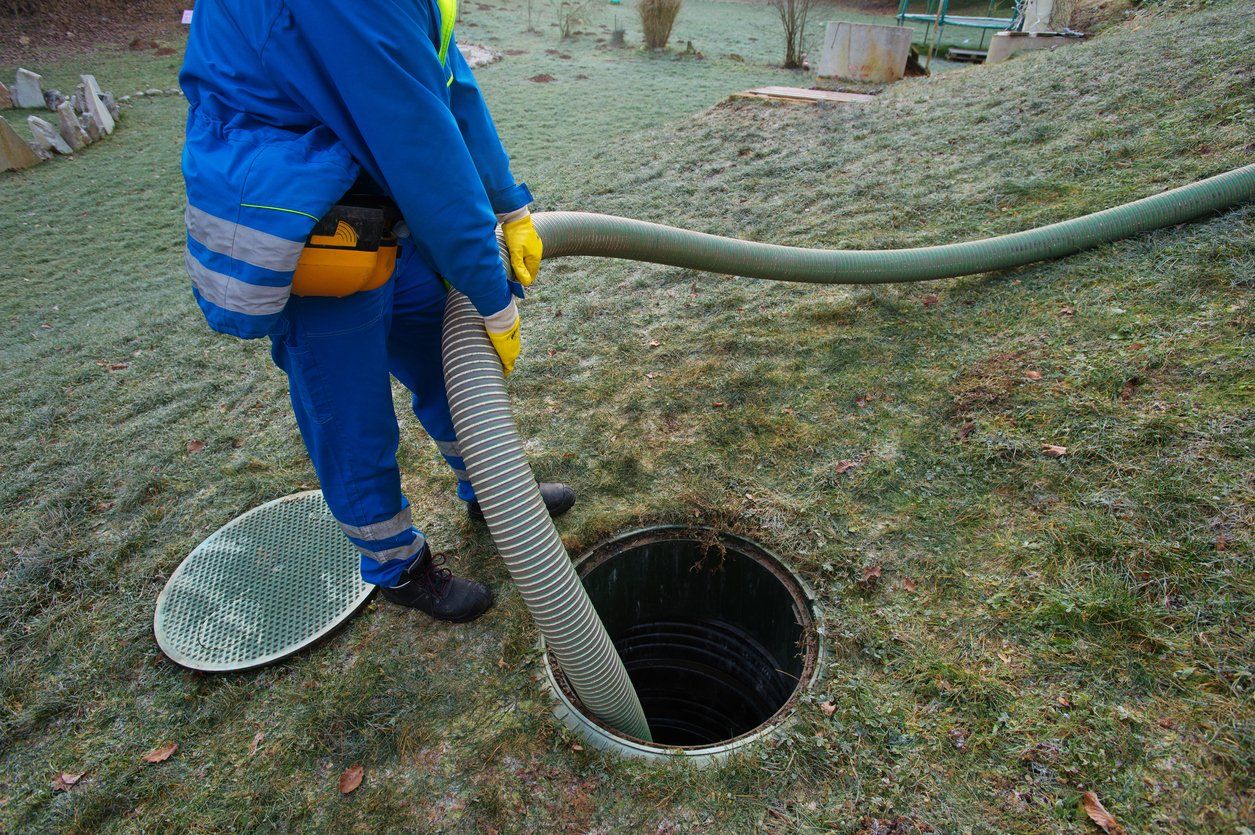
Once we arrive, we examine the accessible components of the septic system and look for signs of wear, blockage, overfilling, or poor drainage. Depending on the system’s design and accessibility, our inspection may include:
- Checking the tank’s general condition and liquid levels.
- Measuring the thickness of the sludge and scum layers.
- Inspecting inlet and outlet baffles for damage or blockage.
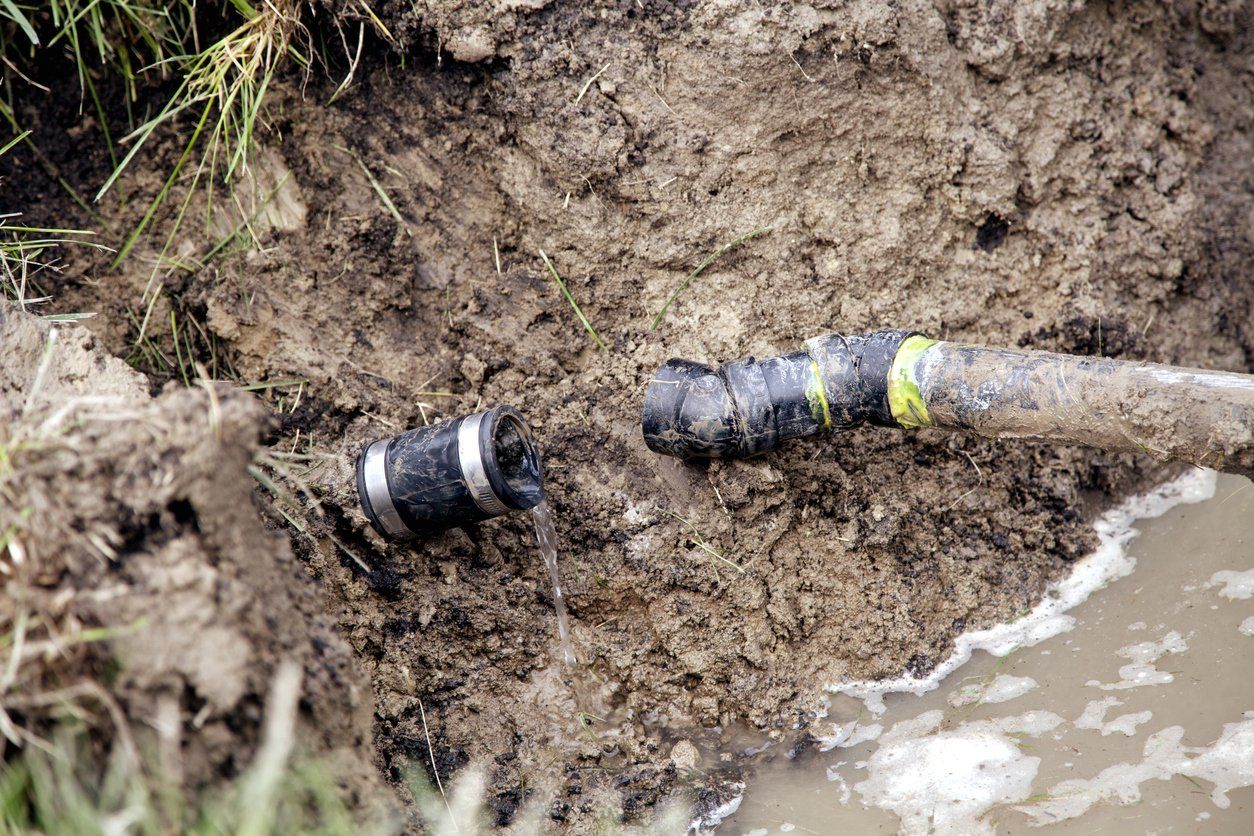
- Looking for cracks, leaks, roots, or structural concerns.
- Evaluating accessible pipes, cleanouts, pumps, and other components.
- Checking the surrounding soil and drain field for pooling or wastewater seepage.
- Observing signs that wastewater is not flowing or absorbing properly.
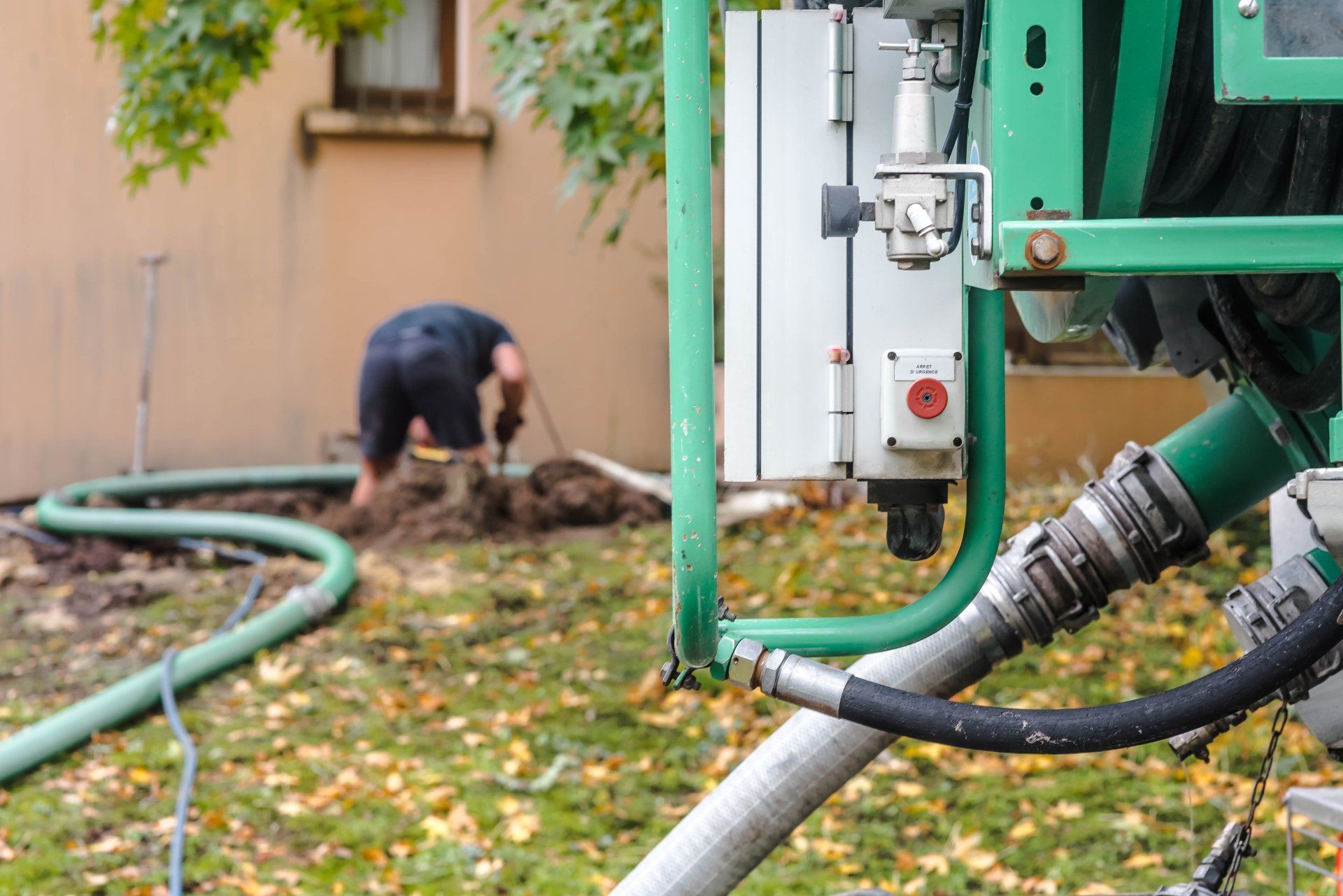
If the tank contains excessive sludge or scum, we may recommend pumping or cleaning as part of the maintenance process.
Inspecting the Tank and Drain Field
A septic inspection does more than determine whether the tank is full. We also look at how the system is functioning as a whole. Wastewater naturally separates inside the tank, with solids settling at the bottom, liquids remaining in the middle, and fats and oils rising to the top. Excessive buildup can interfere with normal flow and eventually affect the drain field.
We examine the area around the system for warning signs such as wet soil, sewage odors, unusually lush vegetation, surface wastewater, or slow drainage. These conditions may indicate that the tank needs service or that another component requires attention. Finding these issues early can help reduce the risk of contamination, system failure, and expensive excavation.
What Happens After the Inspection?
After completing the inspection, we explain what we found and answer your questions. If your septic system is operating properly, we can help you establish a maintenance schedule based on your household and tank conditions. If service is needed, we may recommend septic cleaning, pumping, repairs, or additional evaluation.
Our recommendations may depend on:
- The amount of sludge and scum inside the tank.
- The age, size, and condition of the system.
- The number of people using the property.
- Whether the home uses a garbage disposal.
- The condition of the drain field and surrounding soil.
- Any signs of backups, leaks, or wastewater overflow.
Schedule Your Septic Inspection
Regular inspections can help you protect your property, maintain a healthier septic system, and avoid preventable emergencies. Whether you need an inspection, septic cleaning service, or septic pumping service, Cornish Burton Sigala Septic Services is ready to help.
Contact us today to schedule service in Fort Worth, Weatherford, Willow Park, Decatur, and nearby areas.